
So, you’ve probably been hearing a lot about something called the PPWR lately, especially if your business deals with packaging in the EU. It sounds complicated, but really, it’s just a new set of rules designed to make packaging better for the environment. Think less waste, more recycling, and packaging that’s actually designed to be reused or remade. This article is here to break down what is ppwr in simple terms, so you know what it’s all about without getting lost in the legal jargon.
Key Takeaways
- The PPWR stands for the Packaging and Packaging Waste Regulation, a new EU law that replaces older rules for packaging.
- Its main goals are to cut down on packaging waste, make packaging easier to recycle, and encourage more reuse and refill options.
- Businesses will need to make sure their packaging meets new standards for recyclability, recycled content, and clear labeling.
- The regulation affects anyone who makes, imports, or sells packaged goods in the EU, including manufacturers and importers.
- While the rules are rolling out gradually, it’s important for businesses to start preparing now to avoid future issues and take advantage of the changes.
What Does PPWR Stand For?
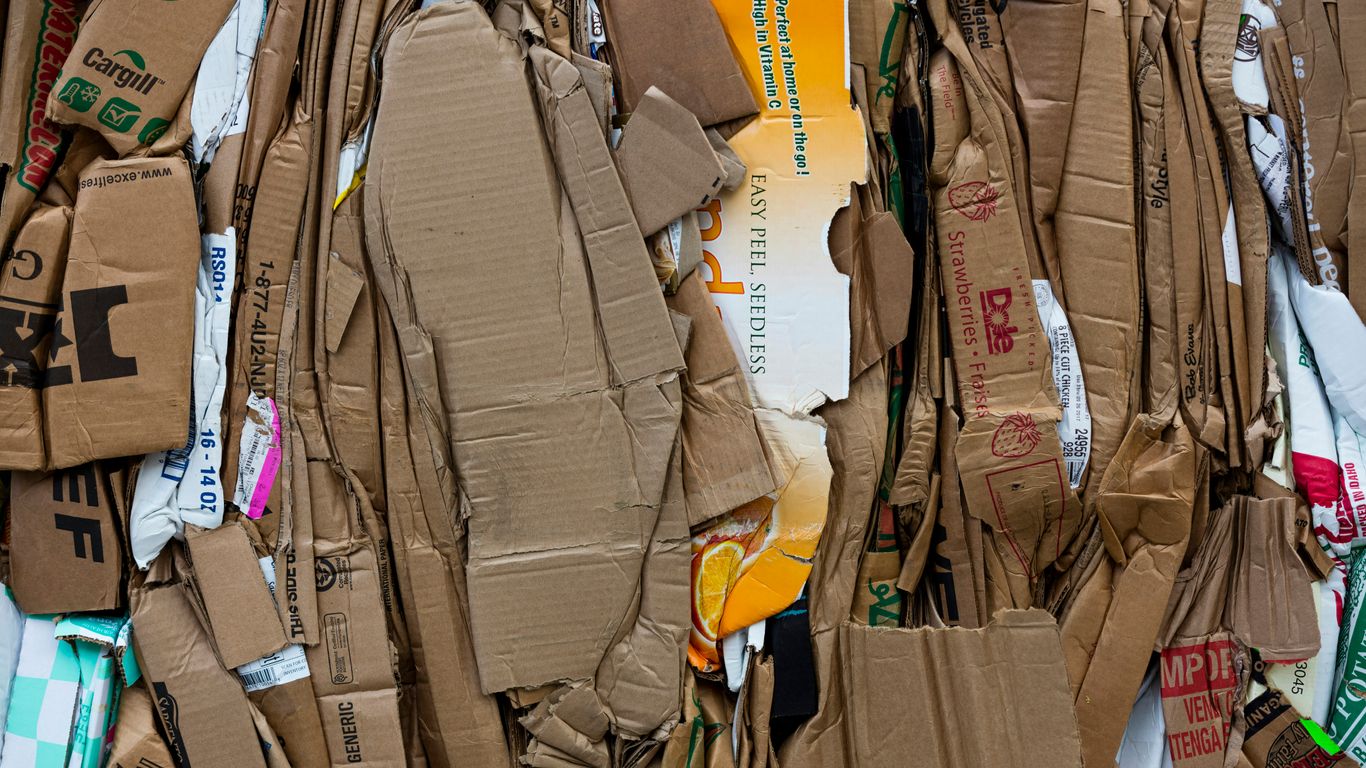
PPWR is short for the Packaging and Packaging Waste Regulation. Think of it as the EU’s updated rulebook for all things packaging. It’s a pretty big deal because it replaces the old directive and sets out new, uniform rules that apply directly across all European Union countries. No more country-by-country differences to worry about when it comes to packaging laws. This regulation came into force in February 2025, and most of its rules will kick in after an 18-month transition period, meaning things really start changing from summer 2026.
The main idea behind PPWR is to tackle packaging waste head-on. It’s all about making packaging more sustainable, from how it’s designed and made, all the way through to what happens to it after we’re done with it. This means pushing for less waste overall, making sure packaging can actually be recycled, and encouraging the use of reusable options. It’s a move towards a more circular economy, where materials are kept in use for as long as possible. This regulation is a key part of the EU’s strategy to deal with the growing amount of waste generated by industry and our own buying habits. It puts more responsibility on the companies that put packaging on the market, a concept known as Extended Producer Responsibility.
Here’s a quick rundown of what PPWR aims to achieve:
- Significantly cut down on the amount of packaging waste generated.
- Make sure that packaging is designed to be easily recycled.
- Boost the use of reusable packaging options.
- Set clear targets for recycled content in plastic packaging.
- Introduce standardized labeling so everyone knows how to sort packaging correctly.
Essentially, PPWR is designed to harmonize packaging rules across the EU, making them stricter and more effective in promoting sustainability. It’s a significant shift from the previous directive, aiming for a cleaner and more resource-efficient future.
The Core Purpose of PPWR
So, what’s the big deal with PPWR? Basically, the European Union wanted to get serious about packaging waste. You know, all those boxes, bottles, and wrappers we toss out every day. The main goal is to drastically cut down on how much packaging waste we create and make sure the packaging we do use is better for the planet. Think less trash piling up in landfills and oceans, and more materials getting a second life.
Why Was PPWR Introduced?
This whole regulation didn’t just pop up out of nowhere. It’s a response to a growing problem: too much packaging, and not enough of it being handled responsibly. The old rules, which were a directive, needed an update. Directives gave countries some wiggle room on how to implement them, leading to a patchwork of rules across the EU. PPWR, on the other hand, is a regulation, meaning it’s directly applicable and legally binding everywhere in the EU. This harmonization is key to creating a truly circular economy for packaging.
Here’s a quick rundown of why it’s here:
- Less Waste: To significantly reduce the amount of packaging waste generated across all member states.
- Better Recycling: To improve the way packaging is designed so it can be more easily and effectively recycled.
- More Reuse: To push for more packaging that can be used multiple times, like refillable containers.
- Standardization: To create one set of rules for the entire EU, making things clearer for businesses and consumers alike.
The EU has set ambitious targets to tackle packaging waste head-on. This means a big shift from how things have been done, pushing for more sustainable practices across the board. It’s about making sure packaging doesn’t just become trash after one use.
Before PPWR, different countries had their own ways of dealing with packaging. This made it complicated for businesses operating in multiple EU countries. PPWR aims to simplify this by setting clear, unified requirements for everyone. This is a big step towards a more sustainable future for packaging in Europe, and you can find more details on EU packaging rules.
It’s not just about reducing waste, though. It’s also about making sure that the packaging that is used is designed with its end-of-life in mind. This means looking at materials, how easy they are to recycle, and whether they can be reused. The regulation sets out specific targets and requirements for these aspects, which we’ll get into more detail about later.
Key Components of PPWR
Alright, so what’s actually in this PPWR thing? It’s not just one big rule; it’s a whole package of changes designed to make our packaging smarter and less wasteful. Think of it as a multi-pronged approach to tackling packaging problems.
Packaging Design and Material Requirements
This is a big one. The PPWR is really pushing for packaging that’s easier to recycle. That means moving away from those complicated multi-material packages that are a nightmare to sort. The goal is for packaging to be designed so it can actually be processed in existing recycling systems. They’re talking about specific criteria, like using mono-materials (packaging made from just one type of plastic, for example) and making sure any labels or glues don’t mess up the recycling process. It’s all about making sure that when you toss something in the recycling bin, it has a real shot at becoming something new.
Reuse and Refill Targets
Beyond just recycling, the PPWR wants us to reuse things more. This means setting targets for how often certain types of packaging need to be reusable. For example, think about those reusable crates you see for fruit and vegetables, or maybe even refillable containers for things like cleaning products or toiletries. The idea is to cut down on single-use items by making reusable options the norm for many products. It’s a shift from ‘use it once and toss it’ to ‘use it, return it, refill it, repeat’.
Recycling and Waste Reduction Goals
This part is pretty straightforward: less waste, more recycling. The PPWR sets out clear targets for reducing the total amount of packaging we use overall. It also includes specific goals for increasing the amount of packaging that gets recycled. This ties back to the design requirements – if packaging is easier to recycle, more of it will actually end up being recycled, not just thrown away or sent to landfill. They’re also looking at minimum amounts of recycled content that need to go into new plastic packaging, which helps create a market for recycled materials.
Labeling and Information Requirements
Ever stared at a recycling bin and wondered where that weird plastic container goes? The PPWR aims to fix that confusion. It mandates harmonised, EU-wide labeling on packaging. This means you’ll see consistent symbols and clear instructions on how to dispose of each piece of packaging, no matter where you are in the EU. The aim is to make sorting easier for everyone, reduce mistakes, and ultimately boost recycling rates. It’s about giving consumers the information they need to do the right thing.
The PPWR is essentially trying to create a more circular economy for packaging. This means designing out waste and pollution, keeping products and materials in use, and regenerating natural systems. It’s a big shift, but one that’s necessary to deal with the sheer volume of packaging waste we generate.
This regulation is a pretty big deal for how packaging is made, used, and disposed of across the EU, and it’s all part of a larger effort to make packaging more sustainable.
Who Does PPWR Affect?
So, who exactly has to pay attention to this new Packaging and Packaging Waste Regulation (PPWR)? Pretty much anyone involved in putting packaging onto the EU market, really. It’s not just a few big companies; it’s a pretty wide net.
Manufacturers and Importers
If you make packaging or package products under your own brand, you’re definitely in the spotlight. This includes those who design and produce packaging, or have it done for them. Essentially, if your name or brand is on the packaging, you’re considered a manufacturer. This means you’re responsible for making sure your packaging meets all the new rules, from design to materials. You’ll likely need to provide a declaration of conformity, basically a stamp of approval saying your packaging is good to go according to the PPWR. This applies whether your business is based in the EU or not, as long as your products end up there.
- Producers: These are the folks who first put packaging or packaged goods onto the EU market. If you’re selling products in packaging, you’re probably a producer.
- Manufacturers: If you make the packaging yourself or have it made under your brand, you fall into this category. You’re responsible for the packaging’s compliance.
- Distributors: While they might not be the ones designing or making the packaging, they play a role in making it available on the market.
Consumers
While the main focus is on businesses, we consumers are affected too, though maybe not directly in terms of compliance. The PPWR aims to make our lives easier when it comes to dealing with packaging waste. Think clearer labels that tell you exactly how to sort your waste, and more options for reusable packaging. The goal is to make recycling and reusing more straightforward for everyone. It also means we might see more products available in refillable or reusable formats, changing how we shop for everyday items. The regulation is designed to make the circular economy more of a reality for all of us.
The PPWR is a regulation, meaning it’s directly applicable across all EU member states. This harmonizes rules and aims to simplify trade while pushing for better environmental practices across the board. It’s a big shift towards a more sustainable approach to packaging throughout Europe.
The Impact of PPWR on Businesses
Okay, so what does this all mean for companies trying to sell stuff in the EU? Basically, the PPWR is a pretty big deal, and it’s going to shake things up for pretty much everyone involved with packaging. You can’t just keep doing things the way you always have.
Think about it: you’ll need to look at what materials you’re using. Are they recyclable? Can they be reused? The EU is pushing hard for less waste and more circularity, so that means rethinking everything from the cardboard box your product comes in to the plastic wrap around it. This isn’t just about looking good; it’s about actual compliance. Companies that don’t adapt could face fines or, worse, be blocked from selling their products in the EU market. It’s a real shift towards Extended Producer Responsibility, where the responsibility for what happens to packaging after it’s used falls more heavily on the businesses that put it out there.
Here’s a quick rundown of what you might need to do:
- Redesign Packaging: You might have to change how your packaging looks and what it’s made of to meet new material and recyclability standards.
- Meet Reuse Targets: For certain types of packaging, like for drinks or takeaway food, there will be specific goals for how often they need to be refilled and reused.
- Improve Labeling: Clearer information will be required on packaging so consumers and waste facilities know how to handle it properly.
- Track and Report: Businesses will likely need to keep better records of the packaging they use and its end-of-life management.
It’s not all doom and gloom, though. For businesses that get ahead of this, there’s an opportunity. Designing more sustainable packaging can actually save money in the long run and make your brand look better to customers who care about the environment. Getting a handle on these new rules now, before they’re fully in effect, is key. It’s a good idea to start looking into how your current packaging stacks up against the requirements of the PPWR and figure out what changes you’ll need to make.
The transition period is your friend here. Use it to get your ducks in a row. Trying to scramble at the last minute will only lead to headaches and potentially costly mistakes. Planning ahead is definitely the way to go.
So, What’s the Takeaway?
Alright, so the PPWR is a pretty big deal for anyone selling stuff in the EU with packaging. It’s not just a suggestion; it’s a new set of rules that are actually going to be enforced. Basically, the EU wants less packaging waste, and they want the packaging we do use to be easier to recycle or reuse. This means businesses need to start looking at their packaging now, figuring out if it meets the new standards for things like recycled content and recyclability. It might seem like a lot, and honestly, it probably is, but getting ahead of it now will save a headache later. Plus, thinking about this stuff could even lead to smarter, more cost-effective packaging designs. So yeah, don’t wait around – start figuring out what you need to do.
Frequently Asked Questions
What does PPWR actually mean?
PPWR stands for the Packaging and Packaging Waste Regulation. It’s a set of new rules from the European Union designed to make packaging better for the environment.
When did these rules start applying?
The PPWR officially became law in February 2025. However, most of the new requirements businesses need to follow will kick in starting in the summer of 2026, after a short adjustment period.
Why did the EU create the PPWR?
The main reasons are to cut down on the amount of packaging waste we create, make sure packaging can be easily recycled, and encourage the use of packaging that can be used again and again, like refillable containers.
Who has to follow these new packaging rules?
Pretty much anyone who makes, imports, or sells products in the EU that come in packaging. This includes manufacturers, importers, and even online shops that send products to customers in the EU.
What are the biggest changes coming with PPWR?
Some major changes include making all packaging recyclable by a certain date, requiring a minimum amount of recycled material in plastic packaging, setting goals for reusable packaging, and putting limits on how much packaging can be used.
Will I have to sort my trash differently because of PPWR?
Yes, likely. The PPWR introduces new, clear labels on packaging to help everyone sort waste correctly. This means you’ll know exactly which bin to put different types of packaging in to help with recycling.
Does PPWR affect businesses outside the EU?
If a business sells products in the EU, even if they are based elsewhere, they will need to make sure their packaging meets the PPWR rules. So, yes, it can affect businesses worldwide if they ship to the EU.
What happens if a business doesn’t follow the PPWR rules?
Businesses that don’t follow the rules could face penalties, including fines. They might also be restricted from selling their products in EU countries until they become compliant. It’s really important for businesses to get ready.